

Imagine a world where learning happens not just in classrooms but in cozy living rooms, parks, or even at the kitchen table. Welcome to homeschooling. This isn’t just an alternative: it’s a revolution in education. Parents and students alike enjoy the perks of a customizable schedule, tailored curriculum, and stronger family ties. Who wouldn’t want to explore history through museum visits instead of textbooks? Get ready for a deep jump into why homeschooling is not just “better,” but a game-changing approach to education.
Flexible Learning Environment
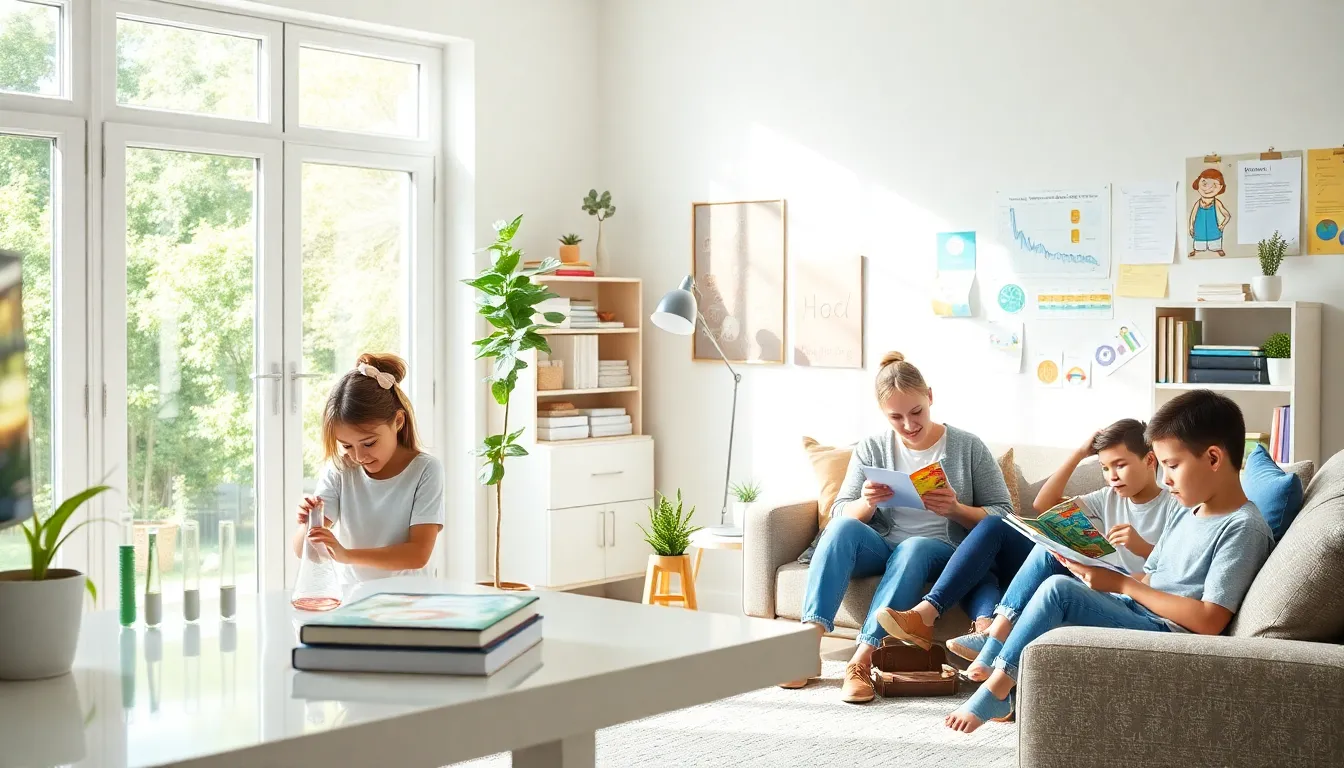
One of the most significant advantages of homeschooling is its remarkable flexibility. Students aren’t confined to rigid schedules or traditional classrooms. Instead, they create a learning environment tailored to their needs. Want to study science outdoors? Go ahead. Feel more productive in the evening? Nighttime classes are a possibility.
This flexibility allows families to prioritize learning in a way that aligns with their lifestyles. Students can take breaks when needed, dive deeper into interesting subjects, or even travel for educational experiences. By integrating lessons into daily life, learners often find themselves more engaged and curious. Flexible environments can morph into inspirational learning spaces, fostering creativity and critical thinking at every turn.
Personalized Curriculum
Another standout feature of homeschooling is the ability to customize the curriculum. Each child learns differently, some may thrive with a hands-on approach, while others might prefer a more visual style. By tailoring the curriculum to their unique learning preferences, parents can help their children manage complex subjects in an engaging manner.
Imagine a student passionate about art: a traditional school might limit them to a single class. But, in a homeschooling environment, that learner can explore art history, techniques, and even business aspects of art over a flexible timeline. This kind of personalized attention not only enhances academic performance but also nurtures a lifelong love for learning.
Stronger Family Bonds
Homeschooling fosters unique family dynamics. When families learn together, they naturally develop stronger bonds. Picture a teenage student engaging in a captivating history lesson, discussing complex themes with their parents instead of just teachers.
This collaboration creates memories that last a lifetime. Families get to share in the first-hand experience of educational adventures, from building a volcano for a science project to discussing literature over dinner. These moments enhance communication and understanding, making family life richer and more connected.
Improved Academic Performance
Research indicates that homeschooled students often outperform their peers in traditional schools. The reasons for this are manifold. When parents can provide one-on-one instruction, students receive immediate feedback and support tailored to their learning needs. This personalized approach can lead to better retention of information.
Besides, without the distractions commonly found in classrooms, students can focus more deeply on their studies. Homeschooled learners frequently excel in standardized tests, showcasing their academic prowess and setting a strong foundation for future education.
Safety and Health Considerations
Considering current global events, safety has never been more paramount. Homeschooling provides a secure environment, minimizing health risks associated with crowded schools. Parents have greater control over their child’s exposure to illness and can carry out health practices that suit their family’s needs.
Also, emotional health is equally crucial. Homeschooled children often experience less anxiety related to school pressures such as bullying or social exclusion. In a supportive home environment, kids can thrive, focus on their studies, and develop resilience.
Enhanced Life Skills and Interests
Beyond academic lessons, homeschooling cultivates essential life skills. Students engage in real-life situations, cooking, budgeting, and even managing their own education, all of which prepare them for adulthood.
Besides, homeschooling gives kids the freedom to explore their interests more thoroughly. Whether it’s digging deeper into computer programming, honing a musical talent, or volunteering in the community, learners can follow their passions. This focus on personal growth often results in well-rounded individuals who are ready to tackle whatever life throws at them.
Addressing Common Misconceptions
Even though its advantages, misconceptions about homeschooling persist. Many people argue that homeschooled kids lack social skills. But, this is far from the truth. Homeschooling families often participate in co-ops, community activities, and group classes, allowing their children to socialize regularly.
Also, critics may wonder about the quality of education. With a plethora of resources available, both online and through local community programs, parents can create a robust learning environment that rivals or exceeds traditional schooling. Addressing these misconceptions helps others see the benefits of homeschooling.