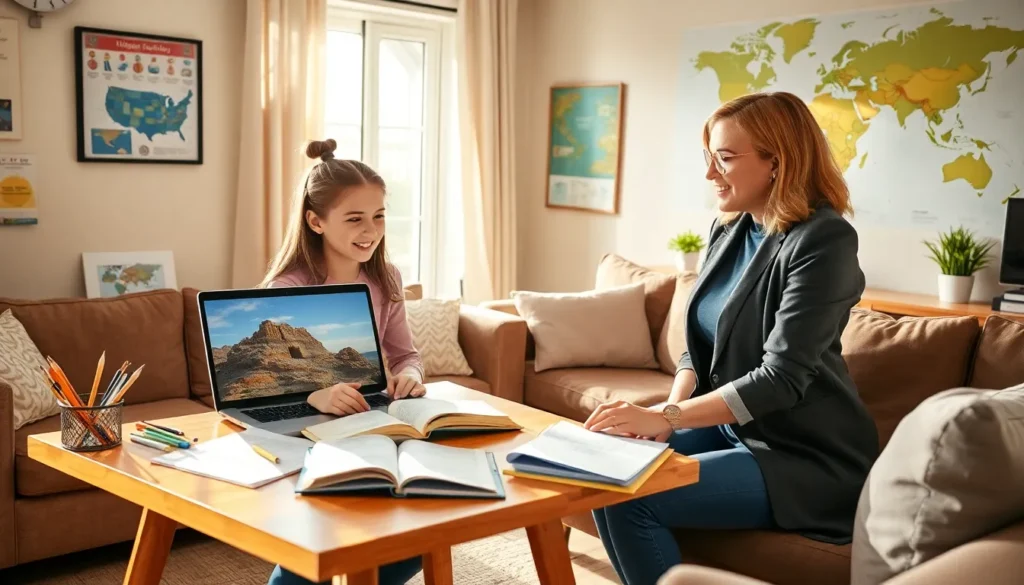

In a world bursting with new languages, finding the perfect technique to master one can feel like searching for a needle in a haystack. But fear not. With the right approach and a sprinkle of motivation, anyone can become a language-learning whiz. Imagine fluently ordering sushi in Tokyo or casually chatting with locals in Paris on your next adventure. This article will investigate deep into effective language learning techniques, sprinkled with humor and sprinkled with a dash of wit. Let’s embark on this linguistic journey together.
Understanding Language Acquisition

Language acquisition is much more than just memorizing vocabulary and conjugating verbs. It’s a complex process that begins in early childhood and evolves through exposure, interaction, and practice. Children learn languages naturally by hearing, mimicking, and practicing with their surroundings. As adults, the journey shifts slightly, it’s often a conscious effort now, but the core principles remain. They must immerse themselves in the sounds, rhythms, and nuances of the new language, allowing it to seep into their everyday lives. Understanding this process is the first step toward mastering a new tongue.
The Role of Motivation in Language Learning
Motivation acts as the driving force behind language learning. Without it, students may find their enthusiasm waning faster than a poorly brewed cup of coffee. Intrinsic motivation springs from personal goals, such as traveling abroad or connecting with new friends. Extrinsic motivation, on the other hand, could stem from job opportunities or academic requirements. Each type of motivation has its place, but the most effective learners often blend both. They set clear goals and find joy in the journey, celebrating small victories along the way. After all, who doesn’t love the thrill of impressing a native speaker with newly acquired phrases?
Effective Language Learning Techniques
Becoming proficient in a new language involves experimenting with various techniques. Here are some of the most effective methods you might consider:
Immersive Learning Experiences
Imagine being surrounded by the sights and sounds of a new culture. Immersive learning takes advantage of this phenomenon. It could involve traveling to a country where the target language is spoken or simulating such an experience at home by watching movies, listening to music, or even cooking traditional recipes. These experiences push learners out of their comfort zones and compel them to use the language actively, creating lasting memories in the process.
Using Technology to Enhance Learning
In this digital age, apps and online resources are invaluable for language learners. Platforms like Duolingo, Babbel, and Rosetta Stone offer interactive lessons, quizzes, and even communities of fellow learners to share tips and tricks with. Also, YouTube hosts countless channels dedicated to language education. Engaging with technology not only makes learning accessible but also allows for a bit of fun along the way.
Practice and Interaction
Let’s face it: the key to mastering any language is practice. Interaction with native speakers or fellow learners can prove invaluable. One could join conversation clubs, find language exchange partners via social media platforms, or even engage in language-focused meet-ups. The more one practices, the more confident and fluid speech becomes. Learners often find that their speaking skills improve dramatically after simply getting out there and using what they’ve learned in real-life scenarios.
Strategies for Vocabulary Building
Building a robust vocabulary is crucial for expressing ideas clearly. Here are some strategies to make vocabulary building less daunting:
- Use Flashcards: Classic but effective. Flashcards can help with memorization, and their mobility makes them perfect for on-the-go learning.
- Read Regularly: Diving into books, newspapers, or articles in the target language exposes learners to new words in context. It’s like meeting interesting new friends through reading.
- Engage with Word Games: Crossword puzzles, word searches, and language apps that focus on vocabulary can turn learning into a playful experience. Who wouldn’t want to have fun while learning?
- Make Connections: Associating new words with visuals or stories can enhance retention. This makes recall easier, much like remembering a friend’s quirky habit.
Adapting Techniques to Different Learning Styles
Every individual possesses a unique learning style. Tailoring techniques to match these styles can massively improve efficiency in language acquisition.
- Visual Learners: They thrive on imagery. Incorporating charts, maps, or videos can help them absorb content more effectively.
- Auditory Learners: These learners benefit from listening. Engaging with podcasts, audio books, and discussion groups caters well to their needs.
- Kinesthetic Learners: They prefer hands-on experiences. Participating in role-playing or interactive games makes language practice fun and engaging.
Recognizing one’s preferred style can lead to a more effective learning outcome, allowing for even greater success.
Measuring Your Progress in Language Learning
Tracking progress in language learning can bolster motivation and clarity. Setting measurable goals, like learning ten new words a week or having two meaningful conversations each month, can provide tangible benchmarks to celebrate. Using language learning apps often reveals achievements through levels or badges. Regular self-assessment and feedback from peers can help identify strengths and areas for improvement. By reflecting on growth, learners can recognize their journey, keeping motivation alive and kicking.